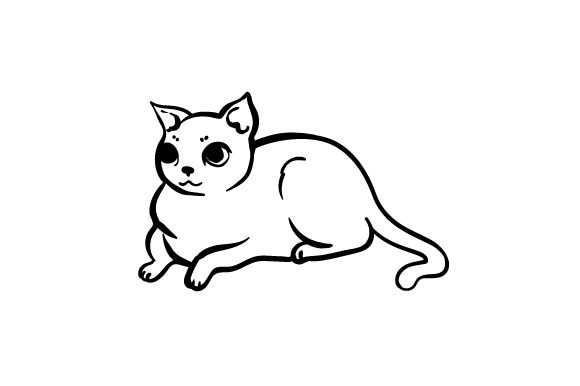
Cat Laying Down Embroidery Design
As an embroidery designer and product reviewer, I’ve evaluated countless machine embroidery designs. Cat Laying Down stands out for its charm and versatility, but like any design, it requires thoughtful application. This article shares my real-world experience using the design in various projects, from custom apparel to handmade gifts.
First Impressions: A Cozy, Laid-Back Mood
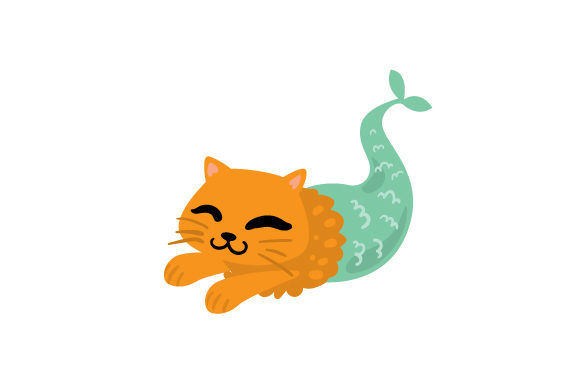
The first thing that catches your eye is the relaxed posture of the cat. It’s not just a simple illustration—it feels like a moment captured in time. The layout is clean, with a balanced composition that doesn’t overwhelm. The level of detail is just right for an embroidery file, offering enough character without being too intricate for most machines.
This design fits well into the Animals category, especially for those looking to add a touch of whimsy to their craft business. It has a friendly, approachable vibe that works across multiple mediums, from baby items to holiday decor.
Real-World Use Cases: Where Cat Laying Down Shines
Imagine you’re preparing a custom embroidered tote bag for a client who loves cats. Cat Laying Down would make a perfect centerpiece. Its size and shape allow it to be centered on a large hoop, making it ideal for tote bags, sweatshirts, and even aprons. The design also translates well to patches, which can be sewn onto jackets, backpacks, or hats.
For baby items, this design could be used on onesies, blankets, or burp cloths. The soft, rounded lines are gentle and safe for little ones. It also works as a decorative element on pillow covers or kitchen towels, adding a personal touch to home decor.
In a craft fair setting, Cat Laying Down could be part of a printable mockup or digital product preview. As an Etsy seller, you might use it as a downloadable embroidery file for customers who want to create their own personalized gifts or small shop merchandise.
Challenges and Considerations: When to Be Cautious
While Cat Laying Down is a great design, there are scenarios where it may not perform as well. For example, if you’re working with small hoop sizes, this design might be too large to fit comfortably. You’d need to adjust the size or split the design into sections, which can complicate the stitching process.
Textured fabrics or thin materials can also be problematic. The design relies on smooth surfaces to show off its details. If you’re stitching on a stretchy fabric like knits, you may need to use a stabilizer to prevent distortion. Dark fabrics may require careful thread color selection to ensure the design stands out clearly.
Curved surfaces like caps or hoods can challenge the design’s placement. The cat’s posture is best shown on flat areas, so consider how the design will look when stitched onto a curved surface. Tiny lettering or dense stitch areas may not be suitable for this design, as they could compromise the overall appearance.
Impact on Visual Appeal and Customer Perception
When properly executed, Cat Laying Down adds visual interest to any project. The balance between simplicity and detail makes it appealing for both casual and professional settings. Customers often respond positively to cute, recognizable designs, which can boost engagement and sales.
For handmade products, this design can elevate the perceived value of your work. It shows attention to detail and a clear understanding of what makes a good embroidery file. As a digital product seller, you’ll want to ensure that the design is compatible with various machines and formats, such as SVG, PNG, EPS, and DXF.
Brand consistency is also important. If your business has a specific aesthetic, Cat Laying Down should align with that style. It’s a versatile design, but it’s not one-size-fits-all. Make sure it complements your other offerings and fits within your overall brand identity.
Practical Designer Notes: What to Check Before Using
Before committing to a project, always test the design on scrap fabric. This helps you see how the stitches will look on your chosen material. Pay close attention to stitch density—too much can cause puckering, while too little may make the design look sparse.
Confirm the hoop size required for the design. If it’s larger than your machine can handle, you may need to resize it or split it into sections. Also, check whether the design works for both personal and commercial use, and verify the licensing terms before selling finished items or digital products.
Use proper stabilizer for delicate or stretchy fabrics. Test the design in black and white mockups to see how it looks without color. Compare it against light and dark fabric backgrounds to ensure visibility. Finally, review the thread colors to make sure they complement the design and the fabric you’re using.
Final Thoughts: A Versatile Design for Many Projects
Cat Laying Down is a solid choice for embroidery designers, small business owners, and crafters looking for a reliable and charming design. It works well in a variety of applications, from custom apparel to personalized gifts. However, like any machine embroidery design, it requires careful consideration of fabric type, hoop size, and stitch settings.
If you’re an Etsy seller or a boutique owner, this design could be a valuable addition to your product line. Just remember to test it thoroughly and make adjustments where necessary. With the right approach, Cat Laying Down can become a staple in your embroidery project library.